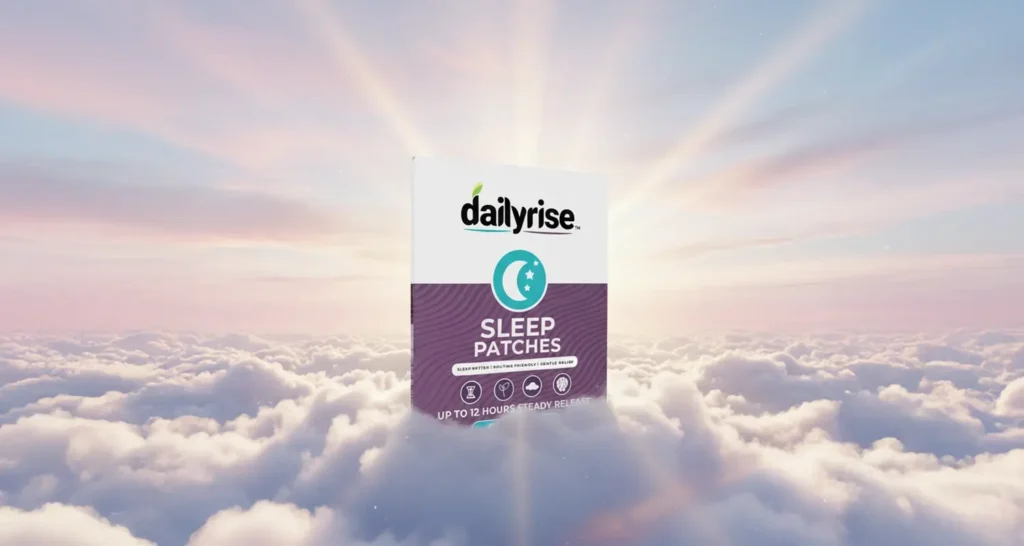
- Dailyrise’s Sleep Patches use a non‑melatonin blend of magnesium, valerian, hops, L‑theanine and L‑tryptophan, offering gentle support.
- Good sleep hygiene remains the foundation of restful nights; patches should complement, not replace, healthy habits.
- Use patches occasionally and follow the instructions carefully; remove them in the morning and rotate application sites to minimise skin irritation.
- Side effects are generally mild but can include headaches and dizziness.
Understanding Sleep Patches
Sleep Patches are small adhesive strips that contain a blend of sleep‑promoting ingredients. When applied to the skin, they slowly release compounds like magnesium, L‑theanine or herbs. The goal is to provide steady support over several hours, helping the body wind down and stay asleep. Unlike oral tablets that pass through the digestive system, patches bypass the gut and may lead to more gradual absorption. Because research into sleep patches is relatively new, it’s important to examine evidence carefully.
What makes a Sleep Patch different?
Transdermal Patches deliver their ingredients directly into the bloodstream through the skin, avoiding first‑pass metabolism in the liver. This can enhance bioavailability for some nutrients and may lead to a more sustained effect. However, the skin is an effective barrier, so patch formulations must be carefully designed to allow absorption without irritation. Most commercial sleep patches include a combination of calming herbs and amino acids rather than high doses of melatonin.
How Do Sleep Patches Work?
The concept behind sleep patches is similar to nicotine or pain‑relief patches. A thin film containing active ingredients is pressed onto the skin. Body heat softens the matrix, releasing compounds that pass through the stratum corneum and enter circulation. Manufacturers claim this method offers a slow, sustained release, which could help maintain sleep through the night.
Extended‑release Benefits
Because transdermal delivery is gradual, users may experience fewer peaks and troughs than with quick‑release tablets. Researchers comparing different melatonin formats found that nasal sprays and sublingual sprays have the highest bioavailability, while transdermal products fall somewhere in the middle. That means patches might be more effective at sustaining levels over time, although more research is needed.
Scientific Evidence for Sleep Patches
Data on transdermal sleep aids remain limited. A small randomised study involving eight healthy adults looked at melatonin patches designed to support daytime sleep. Researchers found that the patch raised plasma melatonin levels and reduced wakefulness after sleep onset, increasing the amount of stage 2 and REM sleep. The patch’s gradual release helped volunteers maintain sleep during the latter part of an eight‑hour daytime rest period. While promising, the sample size was small and participants were healthy young adults, so results may not generalise to all sleepers.
Evidence Remains Scarce
The Sleep Foundation notes that very few studies have examined sleep patches compared with oral supplements. Melatonin patches may help shift workers or people with jet lag stay asleep longer, but experts emphasise that more trials are needed. Most evidence for melatonin’s effectiveness comes from oral supplements, which show benefits for circadian rhythm disorders and modest improvements for insomnia.

Dailyrise’s Sleep Patch Ingredients Explained: Magnesium, Valerian and More
Our Sleep Patches include a cocktail of vitamins, minerals and herbs rather than pure melatonin. Magnesium contributes to normal nerve function and muscle relaxation, while valerian and hops are traditional herbal sleep remedies. L‑theanine, an amino acid found in tea, may promote relaxation without sedation. Dailyrise’s Sleep Patches combine magnesium, valerian, hops, L‑theanine and L‑tryptophan in a clean formula designed for up to 12 hours of steady release. This blend aims to support the body’s own sleep‑inducing processes rather than forcing sleep.
GET 20% OFF Use Code: SLEEP20
-
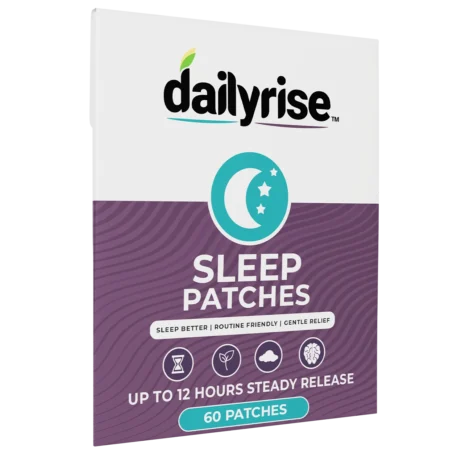 Sleep Patches (60)£14.99
Synergistic Effects
The combination of ingredients may support sleep by targeting different pathways. Magnesium assists with neurotransmission; L‑tryptophan is a precursor to serotonin and melatonin; and herbs like hops and valerian have a long history of use in herbalism. These ingredients are generally considered safe in low doses.
Comparing Sleep Patches to Oral Supplements
When you swallow tablets, much of the dose is metabolised by the liver before reaching the bloodstream. This reduces bioavailability and shortens the duration of action. Quick‑release pills may help you fall asleep but are less effective for keeping you asleep, whereas patches release the ingredients slowly over several hours.
Potential Side Effects and Safety Considerations
Both oral and transdermal melatonin supplements are generally considered safe for short‑term use. Reported side effects include headaches, dizziness, irritability and stomach cramps. Because melatonin causes drowsiness, it’s important not to drive or operate machinery while using it. Patches may also cause skin irritation in sensitive individuals.
Who Should Avoid Sleep Patches?
Pregnant or breastfeeding individuals, those with bleeding disorders or high blood pressure, people experiencing depression or seizures and transplant recipients should avoid melatonin supplements. If you take other medications or have an underlying condition, consult your GP before trying a sleep patch. Children should not use melatonin patches unless advised by a paediatrician.

Who May Benefit from Sleep Patches
Sleep patches may appeal to people who struggle to stay asleep, especially during shift work or travel. Older adults with lower natural melatonin levels might also find patches useful. Individuals who dislike swallowing pills or need a steady, extended release may prefer transdermal delivery.
Not a Cure‑All
Despite anecdotal reports, sleep patches are not a magic bullet for insomnia. They may support good habits but won’t overcome chronic sleep issues without addressing underlying causes. People with sleep apnoea, restless legs or psychiatric conditions should seek medical advice.
Use cases: jet lag and travel
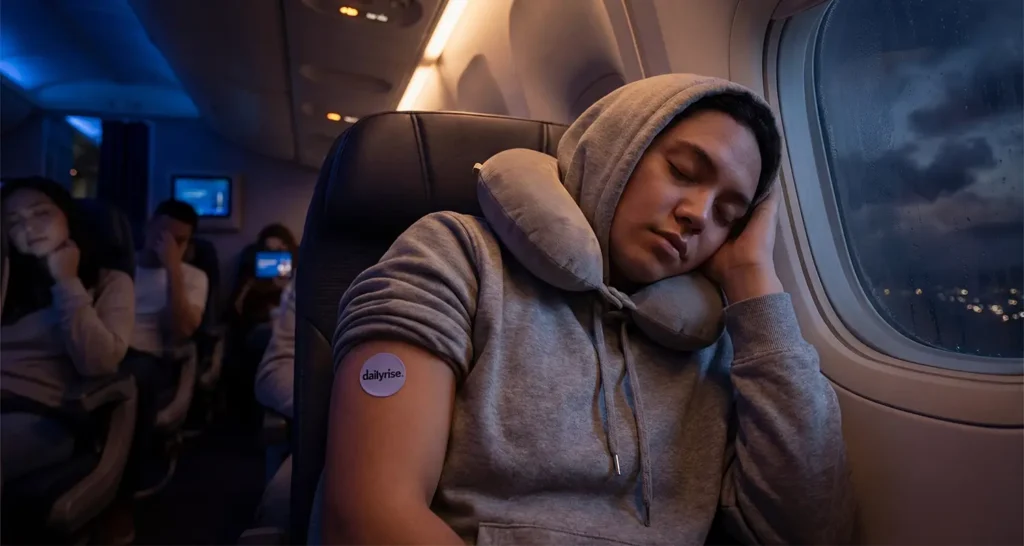
Long‑haul flights and time zone changes can disrupt circadian rhythms. Wearing a sleep patch during overnight flights might help you rest better. The continuous release could reduce early awakenings, though evidence is limited. Planning travel schedules, exposing yourself to natural light at appropriate times and avoiding caffeine near bedtime remain essential.
Travel tips
If you decide to use a patch for jet lag, apply it about an hour before the new bedtime and follow the product instructions carefully. Use other strategies too: stay hydrated, avoid heavy meals before sleep and move around during the flight to reduce stiffness.

Regulation of Supplements and Quality Issues
In many countries, including the UK, melatonin is classified as a medicine and may be available only on prescription. Herbal sleep patches often bypass these regulations by excluding melatonin, but quality control can vary. Some brands may include undeclared ingredients or inconsistent doses. Always choose reputable manufacturers such as ourselves that provide clear ingredient lists and third‑party testing.
Sleep Hygiene vs. Patches: Basics for Better Rest
No patch can replace good sleep hygiene. Simple habits can profoundly affect sleep quality: limit naps to 30 minutes, avoid caffeine and nicotine near bedtime, exercise during the day, and keep your bedroom cool and dark. Create a relaxing pre‑sleep routine such as reading, stretching or listening to calm music. Patches should complement, not replace, these practices.
The Power of Routine
Consistency sends strong signals to your body’s internal clock. Going to bed and waking up at the same times, even on weekends, helps stabilise your circadian rhythm. Combining routine with gentle aids like Dailyrise’s Sleep Patches may enhance the overall effect.
Alternative Natural Sleep Aids
If patches aren’t for you, there are other natural options. Oral supplements such as valerian root, magnesium glycinate or chamomile teas have some evidence for promoting relaxation. Cognitive behavioural therapy for insomnia (CBT‑I) is considered the gold standard for chronic sleep issues. White noise machines, weighted blankets and blue light‑blocking glasses may also support sleep for certain individuals.

Consider Professional Help
Persistent insomnia requires professional assessment. Don’t rely solely on over‑the‑counter aids if you regularly struggle to sleep. A sleep specialist can check for underlying conditions and recommend tailored interventions.
The Role of Magnesium in Sleep
Magnesium plays a key role in over 300 enzymatic reactions, including those involved in muscle relaxation and nervous system regulation. Low levels have been linked to insomnia and restless legs. Supplementing with magnesium may improve sleep quality, particularly in older adults. Dailyrise’s Sleep Patches include magnesium to support calmness throughout the night.

Relaxation Ingredients: L‑theanine and Hops
L‑theanine is an amino acid found in green tea that promotes a state of relaxed alertness without sedation. It increases alpha brain waves associated with calm. Hops, commonly used in beer brewing, contain bitter acids that may have sedative effects. Combining them in a patch aims to harness gentle relaxation while avoiding grogginess.
Synergy with Valerian Root
Valerian root has been used for centuries as a natural sleep aid. Research suggests it may reduce sleep latency and improve sleep quality, though results are inconsistent. In Dailyrise’s patches, valerian works alongside hops and L‑theanine to support a smooth transition into sleep.
L‑Tryptophan: Building Blocks of Serotonin
L‑tryptophan is an essential amino acid that the body converts into serotonin and melatonin. Diets low in tryptophan can affect mood and sleep. By including L‑tryptophan, sleep patches aim to provide the raw materials for the body to make its own calming neurotransmitters.
Balance is Key
Too much tryptophan alone won’t guarantee better sleep; the body needs cofactors like vitamin B6 and magnesium for conversion. A balanced diet alongside supportive patches may provide the best environment for synthesis.
Dosing and Application: Directions for Sleep Patches
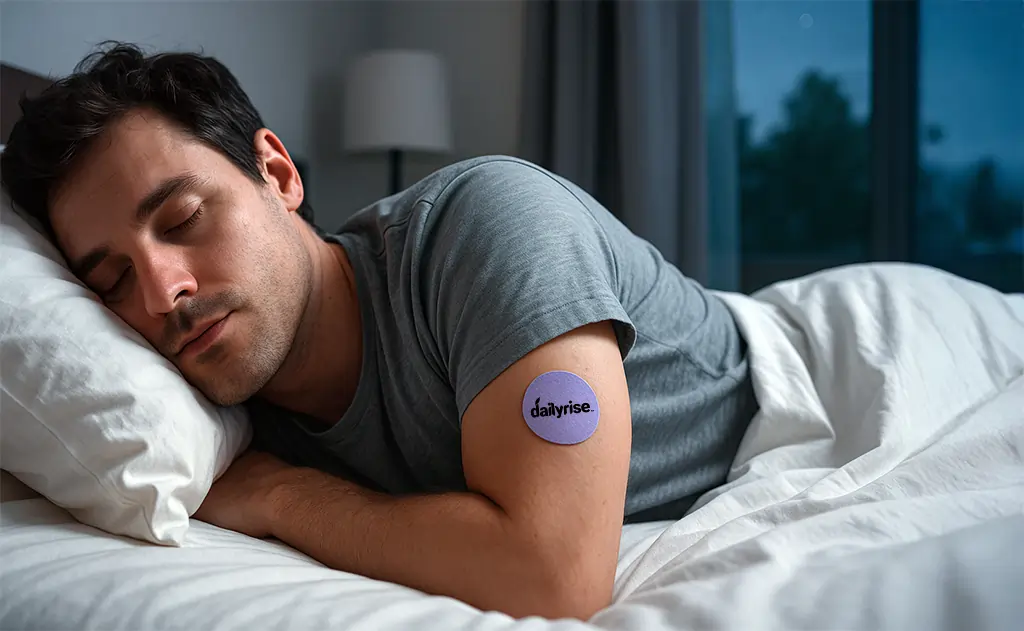
Most patches should be applied to clean, dry, hair‑free skin about an hour before bedtime. Common sites include the upper arm, shoulder blade, calf or top of the foot. Dailyrise recommends wearing a patch for up to 12 hours to allow a steady release of ingredients. Dispose of used patches safely; they are designed for single use.
When to Start and Stop
Use sleep patches for occasional support rather than every night. If you find yourself relying on them regularly, consult a health professional. Some people cycle patches (for example, five days on, two days off) to prevent tolerance.
GET 20% OFF Use Code: SLEEP20
How Dailyrise Sleep Patches stand out
Dailyrise’s Sleep Patches are crafted using a clean, advanced formula. Each pack contains 60 patches, providing up to 12 hours of steady release. The blend of magnesium, valerian, hops, L‑theanine and L‑tryptophan is designed to support relaxation without habit‑forming sedatives. The patches are discreet, easy to apply and suitable for people who struggle with tablets or dislike the taste of herbal teas.
Transparency and quality
Dailyrise products are tested for purity and potency. The company’s mission is to make wellness convenient with science‑backed formulas and sustainable packaging. Customer feedback highlights the convenience of patches for travel and busy lifestyles. While individual results vary, many users report feeling calmer at bedtime and waking up refreshed.