

- Calcium can compete with iron and zinc for absorption, so it’s often best to take them at different times.
- High-dose zinc can interfere with copper balance over time; if you supplement zinc regularly, consider your overall mineral intake.
- Fat-soluble vitamins (A, D, E, K) are typically absorbed better with a meal containing some fat, rather than on an empty stomach.
- Caffeine, tea, and high-fibre meals can affect absorption for some nutrients; spacing supplements away from these may help.
Introduction to Vitamin Interactions
When starting a supplement routine, many people ask what vitamins should not be taken together. Vitamins and minerals interact in the body, and taking certain combinations at the wrong time can reduce absorption or cause side effects. Understanding these interactions helps you optimise your health.
This article explores what vitamins should not be taken together, why these conflicts occur, and how to plan your supplement schedule for maximum benefit.

Common Vitamin Combinations to Avoid
Some vitamins and minerals compete for the same receptors or require similar pathways for absorption. For example, calcium can interfere with iron absorption. Taking high doses of vitamin E alongside vitamin K may affect blood clotting, which is another example of what vitamins should not be taken together.
High doses of zinc can reduce the absorption of copper, leading to deficiencies. To avoid these issues, it’s important to separate competing nutrients by a few hours and be aware of what vitamins should not be taken together.
Why Certain Vitamins Compete for Absorption
Many nutrients use the same transporters in the intestine. When you ingest two substances that rely on the same pathway, one may inhibit the uptake of the other. This is a key reason why experts advise on what vitamins should not be taken together.
For instance, iron and calcium both use similar absorption mechanisms, so taking them together can result in decreased iron uptake. By spacing them apart, you ensure that each nutrient is absorbed effectively without competition.
Balancing Fat‑Soluble and Water‑Soluble Vitamins
Vitamins A, D, E and K are fat‑soluble and are stored in the body’s fatty tissues. Taking large amounts of these together can lead to accumulation and potential toxicity. When considering what vitamins should not be taken together, remember that fat‑soluble vitamins should be balanced and taken with meals containing healthy fats.
Water‑soluble vitamins like vitamin C and the B‑complex are excreted more easily and generally safer to combine. However, pairing vitamin B6 with other B vitamins in very high doses may still cause issues, so moderation is key.
Minerals that Interfere with Vitamin Uptake
Minerals can impact vitamin absorption as well. Large amounts of magnesium may impede calcium absorption if taken at the same time. Similarly, taking copper and zinc together in high doses affects the balance of each mineral.
Understanding these interactions supports the broader question of what vitamins should not be taken together. By staggering mineral supplements, you can maintain optimal nutrient levels without unintended competition.

Safe Supplement Timing Strategies
One of the simplest ways to avoid problematic combinations is to schedule supplements at different times of the day. For example, take iron in the morning on an empty stomach and calcium at night with food. This strategy prevents the nutrients identified as what vitamins should not be taken together from conflicting.
Consulting a healthcare professional can help you develop a personalised schedule, ensuring that each vitamin and mineral is consumed at the most effective time.
The Role of Food in Vitamin Absorption
Food plays a significant role in how nutrients are absorbed. Fat‑soluble vitamins require dietary fats, while some minerals are better absorbed with acidic foods like citrus. Considering what vitamins should not be taken together also involves pairing them with appropriate meals.
Eating a balanced diet rich in whole foods provides many vitamins naturally, reducing the need for high‑dose supplements that might interact. Whole foods also contain cofactors that aid absorption and minimise conflicts.
Consulting a Healthcare Professional
Because each person’s health status and diet are unique, professional guidance is valuable. A nutritionist or doctor can explain what vitamins should not be taken together based on your specific needs and medical history.
Professional advice helps you avoid adverse interactions, ensures you are supplementing appropriately, and allows you to make adjustments based on laboratory results or symptoms.
Recommended Product: Multi Vitamin Patches
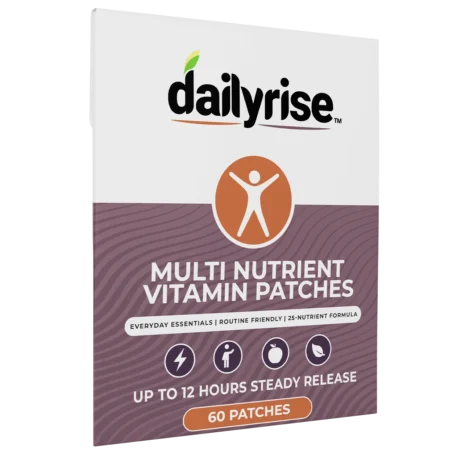
If managing multiple pills feels overwhelming, consider our Multi Vitamin Patches. These patches deliver a balanced array of vitamins through the skin, avoiding gastrointestinal interactions that occur when combining supplements orally. Using patches reduces concerns about what vitamins should not be taken together because nutrients are released gradually into the bloodstream.
Multi Vitamin Patches simplify your routine, provide consistent nutrient delivery, and are gentle on the stomach. They are an excellent option for those looking to maintain optimal vitamin levels without juggling multiple capsules.
GET 20% OFF Use Code: VITAMINS20
Conclusion: Optimise Your Vitamin Routine Safely
Knowing what vitamins should not be taken together empowers you to design a supplement plan that maximises benefits and minimises conflicts. Pay attention to competing nutrients, time your supplements wisely and consider convenient options like vitamin patches.
By staying informed and seeking guidance when needed, you can ensure your body receives the nutrients it needs in the right combinations and at the right times for optimal health.