
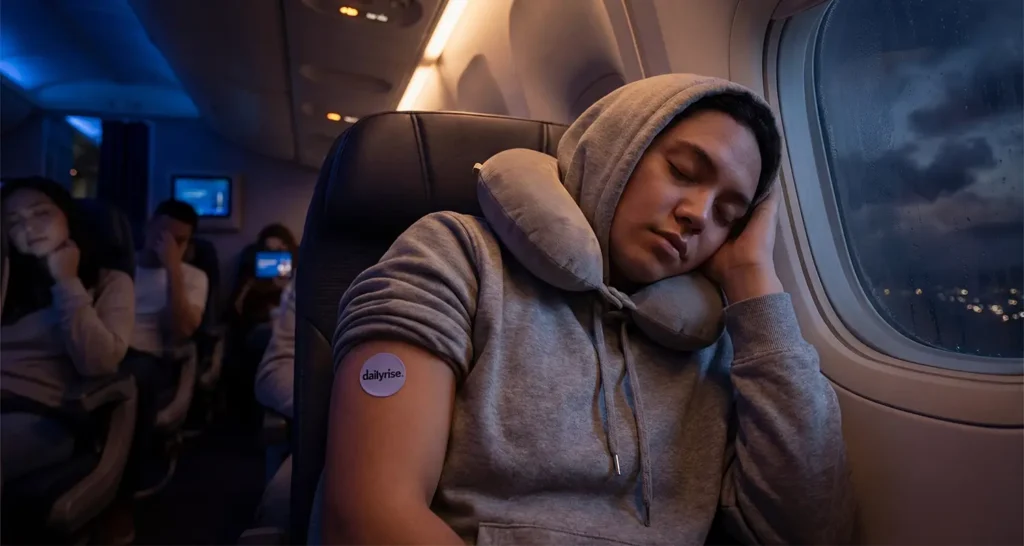
- Choose the right seat if possible — window seats offer a surface to lean against and fewer disturbances from aisle traffic.
- Use simple sleep aids like a neck pillow, eye mask, and earplugs to block out light, noise, and awkward head positions.
- Avoid caffeine and heavy meals before flying; lighter food and hydration tend to support better in-flight sleep.
- Try syncing rest with your destination time zone by napping strategically rather than forcing long stretches of sleep.
Challenges of Sleeping on a Plane
For many travelers, figuring out how to sleep on a plane is a struggle. Cabin noise, cramped seating and fluctuating temperatures make it difficult to relax. Understanding these challenges helps you plan strategies to improve rest while flying.
Many people who wonder how to sleep on a plane simply accept that they will arrive exhausted. Instead, by preparing with the right gear and techniques you can transform your in‑flight experience and wake up feeling refreshed.
Choosing the Right Seat
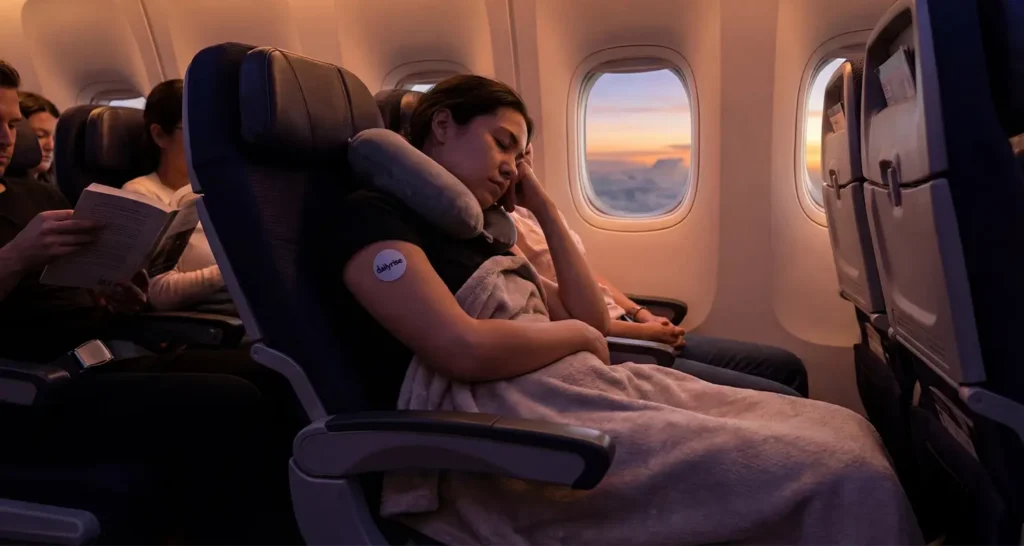
Your seat choice plays a big role in determining how to sleep on a plane. Window seats allow you to lean against the wall and control the shade, which can aid rest. Aisle seats may offer more legroom but are interrupted by other passengers.
If you have the option, choose seats near the wings where there is less turbulence and engine noise. When considering how to sleep on a plane, booking flights with better seating arrangements is worth the extra effort.
Preparing Before the Flight
Getting good sleep in the sky starts with preparation on the ground. Avoid caffeine and heavy meals before your flight and opt for light snacks. Staying hydrated will help your body adjust to cabin pressure, making it easier to sleep on a plane.
Bringing comforts such as a neck pillow, eye mask and noise‑cancelling headphones can also make a huge difference. The more comfortable you are, the easier it is to discover how to sleep on a plane successfully.
GET 20% OFF Use Code: PLANE20
-
 Sleep Patches (60)£14.99
Creating a Relaxing Environment
The cabin environment can be bright and noisy, so recreating a relaxing space is essential. Use your eye mask to block out light and set your seat’s ventilation to maintain a comfortable temperature. Playing calming music or white noise can drown out distracting sounds.
These small adjustments help train your body to relax and are key to mastering how to sleep on a plane. Incorporating aromatherapy, such as lavender essential oil on your pillow, may also enhance relaxation.
Stretching and Movement
Sitting still for long periods contributes to restlessness. Gentle stretching before and during the flight promotes circulation and helps prevent cramps. Simple exercises like ankle rolls, neck stretches and shoulder shrugs can make a noticeable difference.
When exploring how to sleep on a plane, remember that movement not only improves comfort but also reduces the risk of deep vein thrombosis on long‑haul flights.
Hydration and Nutrition Tips
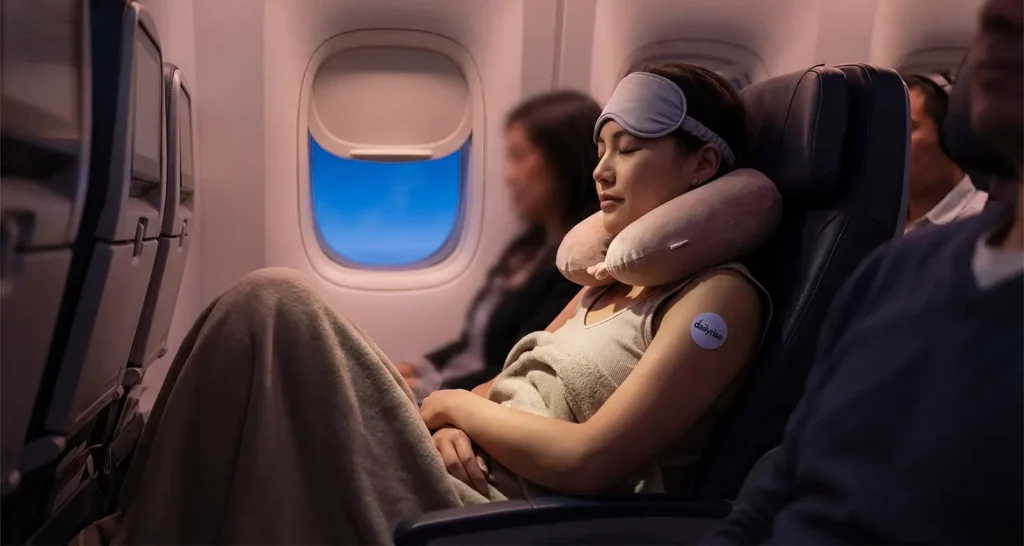
Airline cabins are notoriously dry, which can lead to dehydration and discomfort. Drink water regularly and avoid excessive alcohol or salty snacks that exacerbate dehydration. Proper hydration supports your body’s ability to relax and sleep.
Choosing nutrient‑rich snacks like nuts or fruit can stabilise blood sugar levels, helping you avoid energy spikes that make it harder to sleep on a plane. Balanced nutrition is an often overlooked component of in‑flight rest.
Mindfulness and Breathing Techniques
Practising mindfulness meditation and slow breathing exercises can calm your mind amid the bustle of a plane cabin. Focus on your breath, counting each inhale and exhale to centre your thoughts and drift off more easily.
These techniques are effective for those learning how to sleep on a plane because they reduce anxiety and help your body transition into rest mode even in an unfamiliar environment.
Using Sleep Aids Responsibly
Some travellers consider sleep aids or natural supplements to help them sleep on a plane. Melatonin, magnesium or herbal teas can promote relaxation, but it’s important to try these at home first to gauge your reaction.
Avoid over‑the‑counter sedatives or alcohol, as they can lead to grogginess and dehydration. When exploring how to sleep on a plane, choose gentle aids that support rest without side effects.
GET 20% OFF Use Code: PLANE20
-
Sleep Patches (60)£14.99
Recommended Product: Sleep Patches for Travel
If you struggle with how to sleep on a plane, consider using our Sleep Patches. These transdermal patches deliver a steady dose of natural sleep‑supporting nutrients: magnesium glycinate, valerian root, hops flower, L‑theanine and L‑tryptophan through your skin. They bypass the digestive system, making them ideal for travellers who want consistent support during long flights without pills or drinks.
Sleep patches are discreet, easy to apply and help you fall asleep faster on a plane. By including them in your travel routine, you can optimise your in‑flight sleep without carrying bulky bottles or worrying about liquid restrictions.


Conclusion: Arrive Rested and Ready
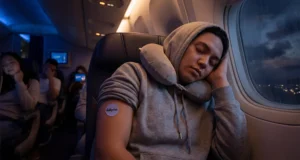
Learning how to sleep on a plane requires preparation, smart choices and the right tools. By selecting a suitable seat, creating a calming environment, staying hydrated and using effective products like sleep patches, you can improve your ability to rest while flying.
With these strategies in place, you’ll arrive at your destination refreshed and ready to enjoy your trip. Sleeping on a plane doesn’t have to be a mystery; with practice and the right support, you can make in‑flight rest a reality.