Wondering whether ditching your pyjamas could give your hormones a boost? The idea that going to bed in the buff might supercharge testosterone has taken social media by storm. This article examines the science behind the question does sleeping naked increase testosterone, exploring what testosterone does, how sleep influences hormone production and whether sleeping au naturel may help or hinder.
What Is Testosterone and Why Does It Matter?
Testosterone is a sex hormone produced primarily in the testicles and, to a lesser extent, in the ovaries and adrenal glands. It contributes to muscle and bone strength, sperm production, libido and overall energy levels. Although often associated with men, women also require testosterone in smaller amounts for bone density, mood regulation and sexual health. Low levels can lead to fatigue, decreased sex drive and mood changes.
How Does Sleep Affect Testosterone Levels?
Hormone production follows a circadian rhythm, and testosterone levels tend to rise during sleep and peak in the morning. According to the Sleep Foundation, testosterone levels are typically highest around 8 a.m. and lowest in the evening, and sleep facilitates this natural rhythm. Disruptions such as insomnia, sleep fragmentation or obstructive sleep apnoea may interfere with this cycle, while consistent, high‑quality sleep supports normal hormone balance.
Sleep Deprivation and Testosterone: What the Research Shows
One of the most cited studies on sleep and testosterone comes from the University of Chicago. In a small sample of healthy men, sleeping less than five hours per night for one week caused a 10–15% reduction in testosterone levels. Participants also reported reduced mood and vigour as hormone levels declined. This research suggests that chronic sleep restriction may lower testosterone, making sufficient sleep an important factor in maintaining healthy levels.
Does Sleep Quality Matter for Hormones?
Not all sleep is created equal. While total sleep duration matters, poor‑quality sleep—characterised by frequent awakenings or insufficient deep sleep—can also disrupt testosterone production. Sleep fragmentation disturbs the nightly rise in testosterone, potentially leading to daytime fatigue and hormonal imbalance. Good sleep hygiene, discussed below, is therefore crucial for supporting natural hormone rhythms.
What Does “Sleeping Naked” Mean?
Sleeping naked simply means going to bed without clothing, though many people interpret it broadly to include wearing minimal garments such as underwear or loose‑fitting sleepwear. Advocates say it feels freeing and may help regulate body temperature. Critics note potential hygiene concerns and the fact that there’s little research directly linking nudity to health outcomes. It’s a personal preference rather than a prescription.
Temperature Regulation and Your Sleep Environment
Your body naturally cools down before sleep as part of your circadian rhythm. The NHS recommends keeping your bedroom cool and well ventilated; a cool room is usually better for sleep than a hot or stuffy one. The Cleveland Clinic notes that cooler skin temperatures can help you fall asleep faster, although there is no direct evidence that sleeping naked improves sleep. Clothing layers can trap heat and cause overheating, so shedding layers may help you stay comfortable and fall asleep more easily.
A calm bedroom scene symbolises restful sleep, a factor closely linked to hormone balance.
Potential Benefits of Sleeping Naked
Falling Asleep Faster
Cooling down quickly can make it easier to drift off. Sleep experts recommend keeping bedroom temperatures between about 15.5 °C and 19.4 °C, and cooler skin temperatures may reduce the time it takes to fall asleep. Sleeping naked is one way to avoid trapping excess heat, which could help you doze off more quickly.
Improved Sleep Quality
Overheating at night can cause tossing and turning. By removing pyjamas, you eliminate one layer that might hold in heat and moisture. The Cleveland Clinic notes that sleeping naked certainly removes any possibility of pyjama‑induced overheating interfering with a good night’s rest. However, the same effect might be achieved by wearing loose, breathable sleepwear.
Skin Health and Comfort
For women, sleeping without tight-fitting underwear may reduce heat and moisture in the vaginal area, lowering the risk of yeast infections. For men, boxers generally keep the testicles cooler than briefs, and heat isn’t friendly to sperm production. Sleeping without restrictive garments could therefore enhance comfort and reproductive health.
An abstract representation of hormone levels rising during sleep, highlighting the importance of restorative rest.
Male Fertility: Cooling the Testicles
Male fertility depends on healthy sperm production. Allowing the testicles to overheat can decrease sperm count and quality. Looser underwear or sleeping naked lets the testicles stay slightly cooler, which may support sperm health. A study comparing 473 men’s underwear choices found that those who opted for cooler underwear at night had slightly better semen parameters, although time‑to‑pregnancy did not differ. Another study reported that nocturnal scrotal cooling significantly increased sperm concentration over 12 weeks. These findings suggest that staying cool overnight may benefit fertility, but the effect on testosterone levels remains unproven.
NHS Advice on Underwear
The NHS advises men with fertility concerns to wear loose‑fitting underwear, as tight underwear can increase testicular temperature and affect sperm quality. While this recommendation centres on sperm health rather than testosterone, it highlights the importance of maintaining a cool environment for reproductive organs. Sleeping naked is one way to reduce overheating, but boxers or breathable cotton pyjamas may offer similar benefits.
Deciding between boxers and briefs can influence temperature regulation, a factor in sperm health.

Does Sleeping Naked Increase Testosterone Directly?
At present, there is no scientific evidence showing that sleeping naked directly increases testosterone. Most of the online claims stem from the University of Chicago study on sleep deprivation, which found that sleeping less than five hours per night reduces testosterone by 10–15%. The logic goes that if sleeping naked improves sleep quality, it might indirectly support healthy testosterone production. However, the Cleveland Clinic emphasises that there is no proven benefit or harm to sleeping naked; it is a personal choice.
Sleeping in the nude may help you stay cooler, fall asleep faster and potentially get deeper sleep, and those factors are important for hormone balance. But you can achieve similar results by creating a cool bedroom, using breathable bedding and practising good sleep hygiene. Therefore, focus on optimising sleep quality rather than assuming that nudity alone will boost testosterone.
Sleep Hygiene Tips for Hormone Health
Creating a sleep‑friendly environment supports both sleep quality and hormone balance.
- Establish a routine: Go to bed and wake up at the same time every day, including weekends. Consistent sleep and wake times help regulate your circadian rhythm.
- Keep the room cool and dark: The NHS suggests that a cool, well‑ventilated room is better for sleep than a hot or stuffy one. Use breathable bedding and consider turning the heating down at night.
- Limit stimulants before bed: Avoid large meals, caffeine, nicotine and alcohol in the evening. These stimulants can delay sleep onset and fragment sleep.
- Wind down: Spend 30–60 minutes before bed doing relaxing activities such as reading, gentle stretching or meditation. Reducing screen time helps your body produce melatonin naturally.
- Manage stress: Chronic stress can raise cortisol and interfere with testosterone production. Practising mindfulness, yoga or journalling may help lower stress levels.
Other Lifestyle Factors That Influence Testosterone
Sleeping well is just one piece of the hormone puzzle. Diet, exercise and overall health also play roles:
- Maintain a balanced diet: Eating a variety of fruits, vegetables, lean proteins and healthy fats supports hormone production. Zinc, vitamin D and omega‑3 fatty acids are particularly important for testosterone synthesis.
- Stay active: Regular strength training and cardiovascular exercise can boost testosterone and improve sleep quality. Aim for at least 150 minutes of moderate activity per week.
- Healthy weight management: Being overweight may lower testosterone; losing excess weight through diet and exercise may help restore normal levels.
- Limit alcohol and avoid anabolic steroids: Excessive alcohol intake and anabolic steroid use can disrupt endocrine function.
- Don’t smoke: Smoking has been linked to reduced sperm quality and may affect hormone balance.
Comfortable intimacy can enhance oxytocin release and reduce stress, indirectly supporting sleep quality and hormonal health.
Safety and Hygiene Considerations
Sleeping naked isn’t for everyone. If you live with family or share accommodation, consider privacy and comfort levels. Here are a few points to bear in mind:
- Hygiene: Increased skin‑to‑sheet contact means you should wash bedding at least once a week. Shower before bed to keep sheets fresh and reduce the buildup of skin cells and oils.
- Temperature: Being too cold can disturb sleep and may be dangerous for people with certain heart conditions. Use blankets appropriate for your climate and consider wearing breathable sleepwear if you get cold easily.
- Sleepwalking: If you sleepwalk or get up frequently at night, you may feel more comfortable wearing at least underwear.
- Socks and gloves: For some people, warming the extremities can help induce sleep. Studies show that wearing socks to bed may actually help you fall asleep faster.
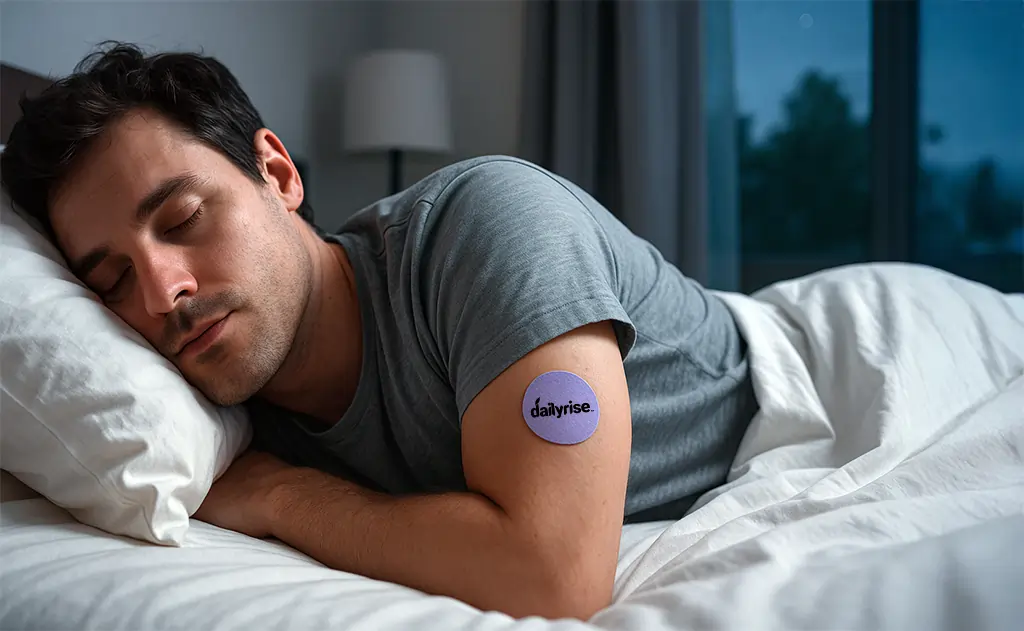
Dailyrise Sleep Patches for Natural Sleep Support
If you’re struggling to get quality sleep, simple lifestyle changes may not be enough. Natural sleep aids can offer gentle support. Dailyrise’s Sleep Patches combine magnesium, valerian and L‑theanine to promote relaxation and restful sleep. Unlike tablets, patches deliver nutrients steadily overnight and may help you drift off without grogginess the next day. For stress-induced sleep issues, Ashwagandha KSM-66 patches provide adaptogenic support, while other products in the Dailyrise range target energy, focus and hormonal health.
Always talk to your GP before starting supplements, especially if you have existing health conditions or take medication. Sleep patches and bedtime supplements may support relaxation, but they’re not a substitute for medical advice.
-
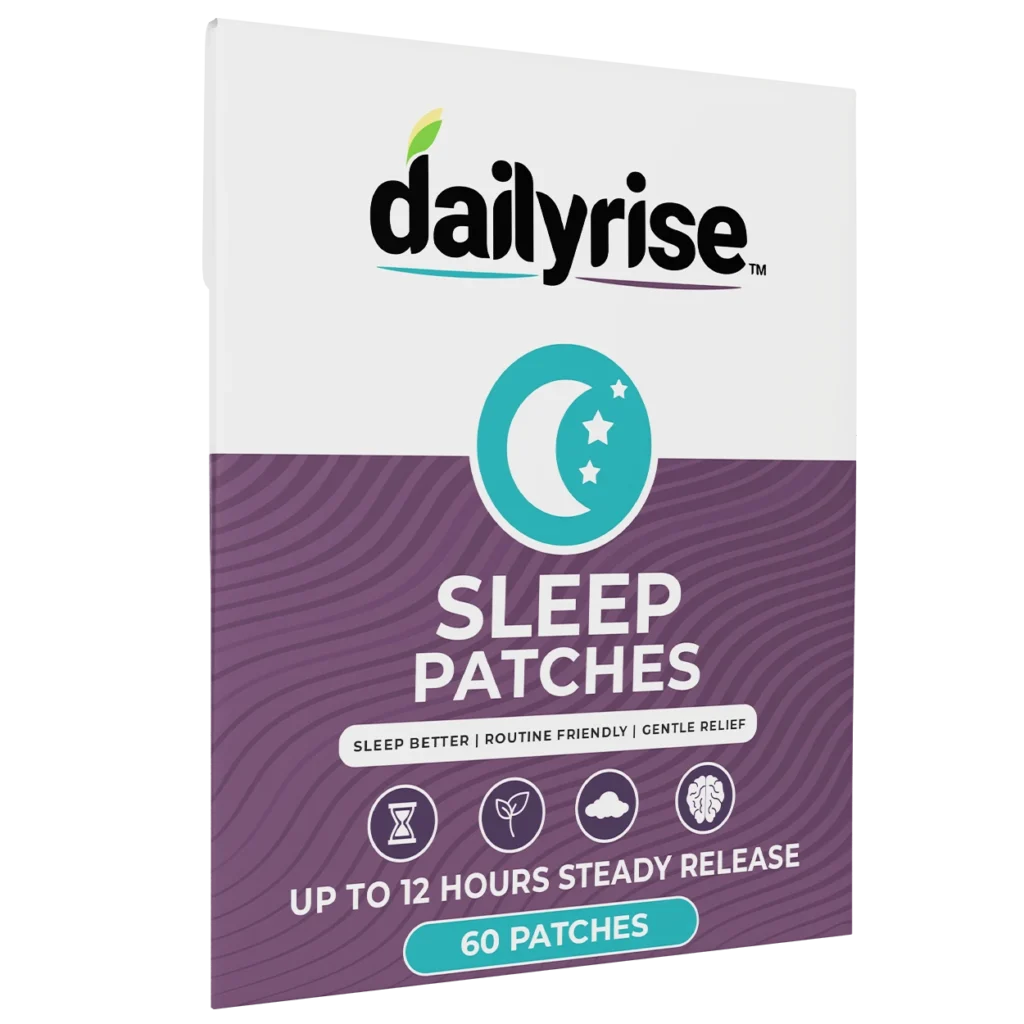
Sleep Patches (60)
£14.99 -
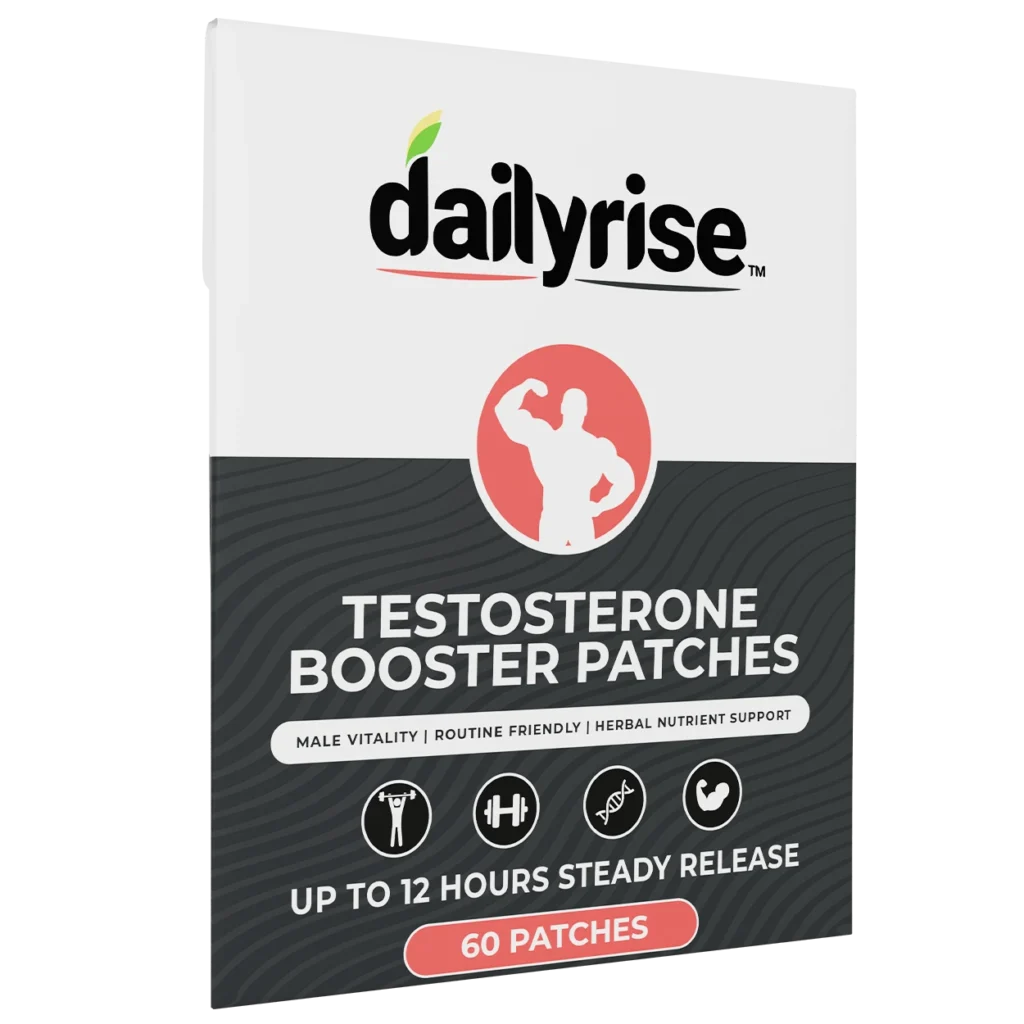
Testosterone Booster Patches (60)
£14.99
When to Seek Professional Advice
If you experience ongoing symptoms of low testosterone, such as fatigue, decreased sex drive or mood changes, consult your doctor. They may arrange blood tests to evaluate hormone levels and investigate underlying causes. Likewise, persistent insomnia or sleep apnoea should be assessed by a GP or sleep specialist. Lifestyle tweaks like sleeping naked can complement, but not replace, proper medical care.
Conclusion
So, does sleeping naked increase testosterone? There is no direct evidence that stripping off boosts hormone levels. The most persuasive research points to the importance of adequate, high‑quality sleep; sleep deprivation can lower testosterone by 10–15 %. Sleeping naked may help you stay cooler and sleep more comfortably, which could indirectly support normal hormone rhythms. However, you can achieve similar benefits by optimising your sleep environment, wearing loose, breathable pyjamas and practising good sleep hygiene. If you enjoy sleeping nude and it helps you rest, there’s little downside, just keep your bedding clean and stay warm enough. Ultimately, the key to healthy testosterone lies in a balanced lifestyle: sufficient sleep, regular exercise, nutritious food, stress management and medical care when needed.
Key Takeaways
- No direct proof: There is no scientific evidence that sleeping naked directly increases testosterone levels.
- Sleep quality matters: Adequate, high‑quality sleep supports the natural circadian rhythm of testosterone.
- Cooler is better: A cool, well‑ventilated bedroom and breathable bedding may help you fall asleep faster and stay asleep.
- Fertility considerations: Lower scrotal temperature may improve sperm quality, so wearing loose underwear or sleeping naked could benefit fertility.
- Personal preference: Sleeping nude is a matter of comfort; loose pyjamas can offer similar temperature regulation without potential awkwardness.
- Focus on lifestyle: Balanced diet, exercise, stress management and sleep hygiene are essential for healthy hormone levels.
Comparison of Sleep Strategies
To help you decide whether sleeping naked suits you, here’s a quick comparison of common sleep strategies. Each option has pros and potential drawbacks.
| Strategy | Pros | Cons |
|---|---|---|
| Sleeping naked | Promotes cooler skin, may improve comfort and intimacy, easy and cost‑free | Requires frequent laundering, potential awkwardness if sharing accommodation, no proven direct impact on testosterone |
| Loose cotton pyjamas | Breathable fabric regulates temperature, maintains modesty, reduces skin‑to‑sheet contact | May still trap some heat, quality varies with fabric |
| Sleep patches & supplements | Deliver calming nutrients steadily through the night, may support relaxation and sleep quality | Should be used under medical guidance, not a cure‑all; cost involved |
Use whichever option helps you achieve consistent, refreshing sleep. Optimised sleep hygiene and balanced lifestyle habits will likely have a greater impact on testosterone and overall health than clothing choices alone.
Best Sellers
-
Sleep Patches (60)
£14.99 -
5-in-1 Magnesium Patches (60)
£14.99 -
Herbal Knee Patches – Joint Support (60)
£14.99 -
Testosterone Booster Patches (60)
£14.99 -
Weight Loss Patches (60)
£14.99